Mash tun floors(false bottoms) are manufactured with vee wire profiles welded on support profiles. The false bottom is installed at the bottom of the mash tun to support the grain and allow the wort to pass through smoothly.
The common mash tun floor is a perforated metal plate, but there are problems when emptying the vessel and the runoff is not very clear. A wedge wire screen floor was installed on the brewery's mash tun floor, allowing for faster, clearer runoff and fewer shells.
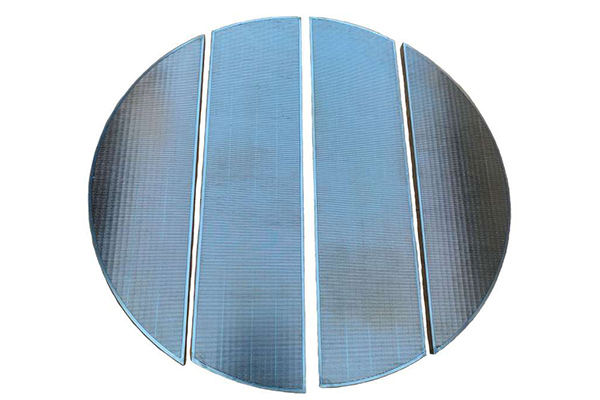
Mash Tun - Beer Equipment
The mash tun is a beer equipment vessel where milled grains are combined with hot water to create a mixture known as "mash." During this process, enzymes in the malted grains break down complex starches into simpler sugars, forming the sweet wort that serves as the basis for fermentation.
The mash tun floor plays a crucial role in ensuring the efficiency and quality of the mashing process.
The Importance of Mash Tun Floors in Brewing Equipment
1. Support and Stability
Mash tuns often hold significant quantities of grain and water during mashing. A sturdy and stable floor is essential to support the weight of these materials without risk of collapse or deformation.
2. Heat Retention
Proper insulation is necessary to maintain the temperature of the mash during the enzymatic conversion process. Mash tun floors with effective insulation help to prevent heat loss, ensuring that the enzymatic activity proceeds optimally.
3. Ease of Cleaning
Brewing equipment must be thoroughly cleaned and sanitized to prevent contamination and off-flavors in the finished beer. Wedge wire mash tun floors are designed for easy cleaning and maintenance and contribute to a hygienic brewing environment.
4. Liquid Drainage
Efficient drainage is essential for separating the sweet wort from the spent grains at the end of the mashing process. Mash tun floors with proper slope and drainage systems allow for the effective removal of liquids without leaving behind excess moisture.
We provide wedge wire Mash Tun floors OEM services for brewing. Contact us to get a free quote!
Related Reading: Wedge Wire Mash Tun Floors with Large Diameter for Sale


 What Is a Coal Centrifuge Basket and How Does It Work?
 Engineering Principles Behind Vee Wire Scallops for Catalyst Support Systems
 Tower Internal Wedge Wire Pipe Maintenance and Reliability
 Catalyst Bed Support Grid Design for High Efficiency Reactor Flow
