In the world of filtration and screening technologies, two materials that often come up for comparison are wedge wire screen plates and perforated plates. Both are widely used in various industries, but they serve different purposes and offer distinct advantages depending on the application. Whether you're in water treatment, mining, or food processing, understanding the key differences between these two types of plates can help you make the best choice for your filtration needs.
What is a Wedge Wire Screen Plate?
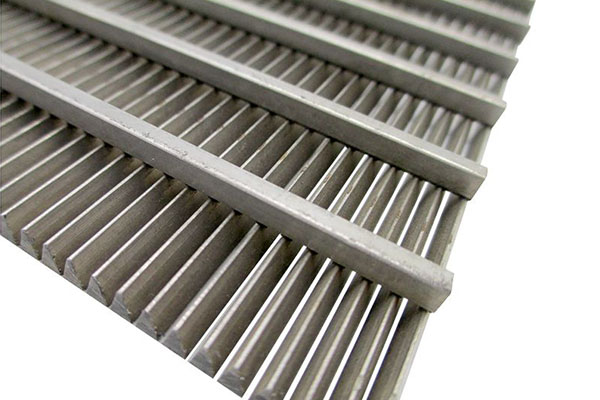
A wedge wire screen plate is constructed with V-shaped profile wires that are welded onto support rods. This design results in continuous, narrow slots that allow for high filtration efficiency. The V-shape not only improves the filtration process but also prevents clogging by allowing debris to pass through without getting trapped. As a result, wedge wire screens are highly effective in self-cleaning filtration systems and applications requiring precision and high flow rates.
What is a Perforated Plate?
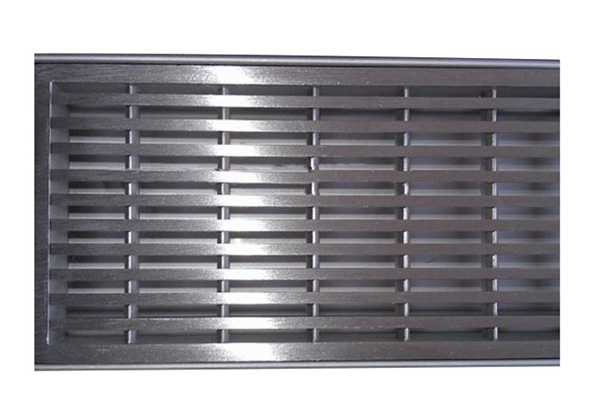
In contrast, perforated plates are made by punching holes through a metal sheet, creating a pattern of holes of varying sizes. While this design is simpler and more cost-effective than wedge wire, it is less efficient when it comes to filtration performance. Perforated plates are often used for general straining purposes, structural support, and coarse filtration, where fine filtration isn't as critical.
Key Differences at a Glance
| Feature |
Wedge Wire Screen Plate |
Perforated Plate |
| Structure |
V-shaped profile wires welded to support rods. |
Punched holes in metal sheet. |
| Clogging |
Low; V-shape prevents debris entrapment. |
High; particles can lodge in holes. |
| Flow Rate |
High; 15-65% open area, high efficiency. |
Lower; limited by hole pattern density. |
| Durability |
Extremely high; suited for high pressure. |
High; durable, but less than wedge wire. |
| Precision |
Precise, consistent micron-level slot sizes. |
Less precise; suited for larger sizing. |
| Cost |
Generally higher. |
Generally lower/cost-effective. |
Detailed Breakdown of Differences
Filtration Performance & Clogging
Wedge wire screens are superior for filtration because of their slot design. The V-shape prevents clogging, ensuring that particles that pass through the surface of the screen do not get stuck behind it. This design allows for continuous, self-cleaning performance, making wedge wire screens an excellent choice for high-precision filtration needs. Perforated plates, on the other hand, have straight holes that can easily become blocked or blinded by larger particles, reducing their filtration efficiency over time.
Open Area & Flow Rate
The design of wedge wire screens also provides a larger open area compared to perforated plates, which means a higher flow rate. With open areas ranging from 15-65%, wedge wire screens can handle much higher throughput while maintaining their efficiency. In contrast, perforated plates have a lower open area due to the constraints of the hole pattern, which limits their flow rate and throughput.
Durability & Application
Wedge wire screens are known for their durability and are well-suited for harsh environments where high pressure and extreme conditions are common. They are ideal for industries like water treatment, mining, and food processing, where the filtration process requires both high precision and durability. Perforated plates, while still durable, are more suited for applications that need structural strength but don't require the fine filtration capabilities of wedge wire. Common uses include metal screens, filters, and guards.
Cost Efficiency
Perforated plates are more cost-effective than wedge wire screens due to their simpler manufacturing process. For applications that do not require fine filtration, perforated plates offer an economical solution. Wedge wire screens, while more expensive, provide superior performance in precision applications and are more durable over time, making them a worthwhile investment for high-end filtration systems.
When to Choose Which?
Choose Wedge Wire For:
Water treatment and intakes
Food and beverage processing
Mining applications (such as gold or lithium extraction)
Systems that require self-cleaning properties and fine slot sizes
Choose Perforated Plates For:
General straining or coarse filtration
Decorative applications
Systems where cost is a primary concern
Structural use and applications that do not require high filtration precision
FAQ
1. Can perforated plates be used for fine filtration?
Perforated plates are generally not suitable for fine filtration because their hole pattern can lead to clogging and inefficiency. They are better suited for coarse filtration where fine particles are not a concern.
2. Why is wedge wire more expensive than perforated plates?
Wedge wire screens are more expensive due to their advanced design and manufacturing process. The V-shaped profile wires and high precision in slot size contribute to their higher cost. However, this cost is justified by their superior filtration performance and durability.
3. How do wedge wire screens prevent clogging?
The V-shape of the wedge wire screen ensures that particles pass through the slots without becoming trapped. The design increases the chances of self-cleaning, making it ideal for high-flow, high-precision applications.
4. Are perforated plates durable enough for high-pressure applications?
While perforated plates are durable, they are not as well-suited for high-pressure environments as wedge wire screens. Wedge wire screens are designed to handle extreme conditions, making them a better choice for applications with high pressure.
5. Can wedge wire screens be used for decorative purposes?
While wedge wire screens are highly efficient for filtration, they can also be used in decorative applications where precision and strength are required. However, perforated plates are typically a more cost-effective solution for purely decorative purposes.

 Engineering Principles Behind Vee Wire Scallops for Catalyst Support Systems
 Tower Internal Wedge Wire Pipe Maintenance and Reliability
 Catalyst Bed Support Grid Design for High Efficiency Reactor Flow
 Choosing the Right Vee Wire Scallops for High-Performance Radial Flow Internals
