Header Lateral System Design: Choosing the Right Resin Trap
Introduction
In ion exchange and media filtration systems, resin retention is critical for maintaining stable performance and protecting downstream equipment. While vessel design and flow distribution receive significant attention, the resin trap is often overlooked until resin loss causes operational problems.
A resin trap serves as the final safeguard in a header lateral system, capturing escaped resin beads before they reach pumps, valves, membranes, and other downstream components. Choosing the right resin trap helps prevent media loss while maintaining system efficiency and reliability.
What Is a Resin Trap in a Header Lateral System?
A resin trap is installed at the outlet of an ion exchange vessel or media filter to capture resin beads that escape due to damaged internals, excessive backwash rates, resin degradation, or hydraulic disturbances.
Without a properly designed resin trap, escaped resin can lead to:
* Valve and pump damage
* Instrument blockage
* Product water contamination
* Increased maintenance costs
* Unplanned downtime
For this reason, resin traps are considered an essential protection component in modern water treatment systems.
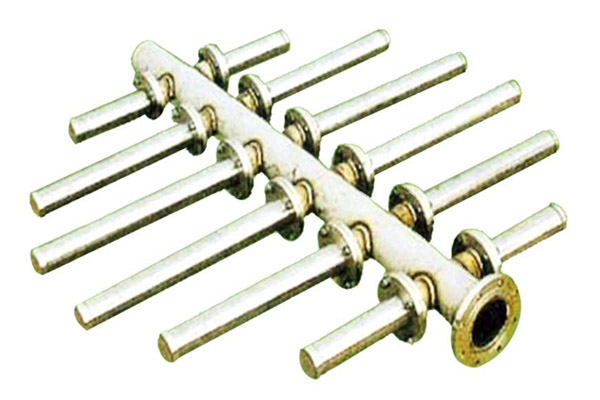
How Header Lateral System Design Influences Resin Retention
The effectiveness of a resin trap begins with the overall design of the header lateral system.
Flow Distribution
Poor flow distribution can create localized high-velocity zones that increase resin movement and accelerate bead wear. A properly designed header lateral system ensures uniform flow across the vessel and reduces the risk of resin carryover.
Lateral Spacing
Improper lateral spacing may create channeling or dead zones within the media bed. Most industrial systems use lateral spacing between 150 mm and 300 mm, depending on vessel size and hydraulic requirements.
Backwash Conditions
Backwash is one of the most common causes of resin loss. Excessive bed expansion can allow resin beads to migrate toward collection systems. Even in well-designed vessels, a resin trap provides critical protection during abnormal operating conditions.
Key Factors for Choosing the Right Resin Trap
Screen Technology and Slot Size
* High open area
* Low pressure drop
* Excellent mechanical strength
* Superior anti-clogging performance
The slot opening should generally be 15–20% smaller than the smallest resin bead diameter to ensure reliable retention.
Typical slot sizes range from 0.15 mm to 0.50 mm depending on resin type and particle size distribution.
Flow-In-To-Out (FITO) designs are often recommended because they collect resin inside the screen, making maintenance and flushing easier.
Material Selection
Material choice depends on operating conditions and chemical exposure.
316L Stainless Steel is the most common option for industrial systems due to its excellent corrosion resistance and durability.
PP and PVC are suitable for lower-pressure, non-corrosive applications, while specialty alloys may be required for highly aggressive chemical environments.
Installation Location and Differential Pressure Monitoring
Resin traps are typically installed on the vessel outlet line where escaped media is most likely to enter downstream equipment.
Additional protection may be considered on backwash and regeneration lines.
Installing a differential pressure gauge allows operators to monitor screen loading and schedule cleaning before excessive flow restriction occurs.
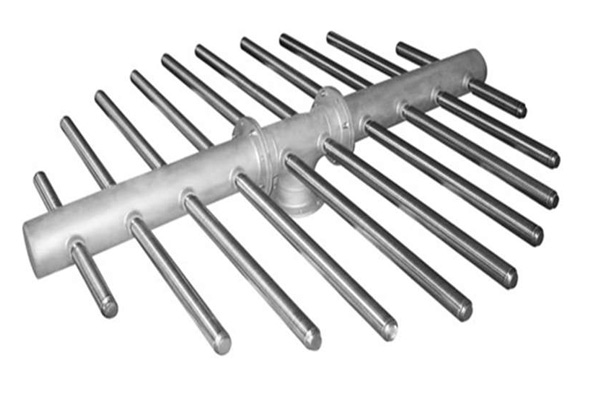
Sizing and Flow Dynamics
The trap connection size generally matches the outlet pipe size, but engineers should verify that flow velocity remains within acceptable limits.
Proper sizing minimizes pressure loss and helps maintain stable system performance throughout the operating cycle.
Typical Resin Trap Design Parameters
| Parameter |
Typical Value |
| Slot Opening |
0.15–0.50 mm |
| Material |
SS304 / SS316L |
| Operating Pressure |
3–10 bar |
| Open Area |
25–45% |
| DP Alarm Setting |
0.3–0.5 bar |
| Recommended Flow Velocity |
<1.5 m/s |
These values should always be confirmed based on actual operating conditions and resin characteristics.
The Cost of Resin Loss
Resin loss can be more expensive than many operators realize. Beyond resin replacement costs, escaped media can damage valves, clog piping, increase maintenance requirements, and cause production interruptions.
A properly designed wedge wire resin trap helps reduce these risks while extending equipment life and improving operational reliability.
Resin Trap Selection Checklist
Before selecting a resin trap, verify:
·Resin bead size distribution
·Maximum operating flow rate
·Chemical compatibility
·Outlet connect
·Differential pressure monitoring requirements
·Backwash operating conditions
·Corrosion resistance requirements
·Maintenance and flushing accessibility
FAQ
What slot size should a resin trap use?
Typically, the slot opening should be 15–20% smaller than the smallest resin bead diameter.
Why are wedge wire resin traps preferred?
They provide high open area, low pressure loss, excellent strength, and superior resistance to clogging.
Where should a resin trap be installed?
Most commonly at the vessel outlet, although additional traps may be installed on backwash or regeneration lines.
Is 316L stainless steel necessary?
For systems exposed to acids, caustic regenerants, or chloride-containing water, 316L stainless steel is generally the preferred choice.
Selecting the right resin trap is an important part of header lateral system design. By considering screen technology, slot size, material selection, installation location, and hydraulic performance, operators can significantly reduce resin loss and protect downstream equipment.
For most industrial ion exchange and filtration applications, stainless steel wedge wire resin traps provide the best combination of durability, corrosion resistance, low pressure drop, and long-term reliability.

 What Is a Coal Centrifuge Basket and How Does It Work?
 Engineering Principles Behind Vee Wire Scallops for Catalyst Support Systems
 Tower Internal Wedge Wire Pipe Maintenance and Reliability
 Catalyst Bed Support Grid Design for High Efficiency Reactor Flow
