In industrial wastewater treatment systems, screen clogging, unstable filtration efficiency, and frequent maintenance are among the most common operational challenges. Selecting the right HydraSieve Screen can significantly improve solid-liquid separation performance while reducing downtime and long-term operating costs.
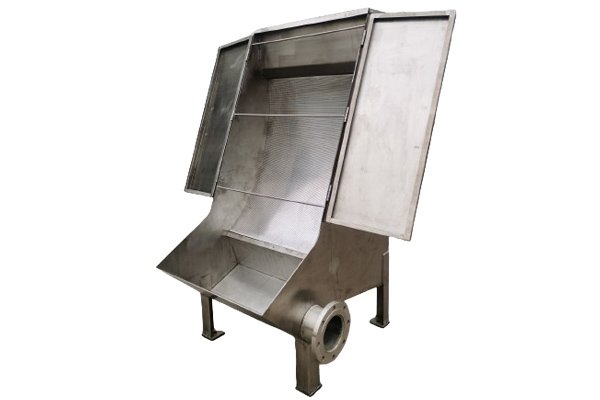
A HydraSieve Screen is a static screening device designed for continuous solid-liquid separation. Manufactured from stainless steel wedge wire, it features high mechanical strength, excellent wear resistance, and long service life. Thanks to the curved wedge wire structure and gravity-fed “waterfall” operating principle, the system allows liquids to pass through the screen surface while effectively retaining suspended solids and debris.
Key Factors When Selecting a HydraSieve Screen
Screen Slot Width
Slot width is one of the most important factors affecting filtration performance. Smaller slot openings provide higher filtration precision and improve fine solids retention, while larger slots allow higher flow capacity and reduce the risk of blockage.
Typical slot openings range from 0.25 mm to 3 mm depending on the application:
| Application |
Recommended Slot Size |
| Food processing wastewater |
0.25–0.75 mm |
| Brewery and dairy wastewater |
0.5–1.0 mm |
| Textile wastewater |
1–2 mm |
| Stormwater screening |
2–3 mm |
Selecting an improper slot size may either reduce solids capture efficiency or increase maintenance frequency due to screen fouling.
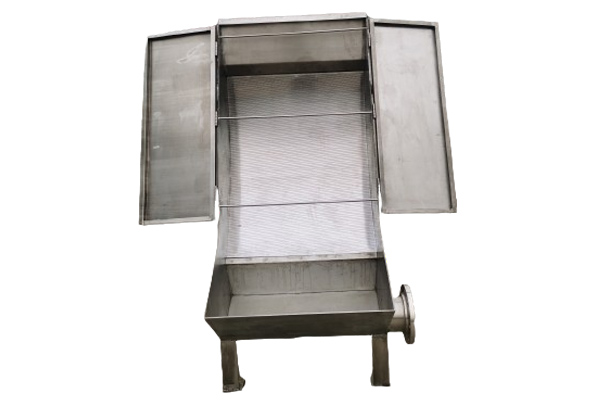
Flow CapacityThe total system flow rate determines the required screen surface area and structural size. High-flow systems often require wider screens and optimized installation angles to maintain stable hydraulic performance without overflow.
For wastewater streams with fluctuating flow conditions, selecting a larger screening area can improve operational stability and reduce peak-load pressure on downstream treatment equipment.
Material Selection
Material grade directly affects corrosion resistance and equipment lifespan.
SS304 is suitable for general industrial wastewater treatment applications.
SS316L provides improved resistance to chloride corrosion and chemical attack, making it ideal for seawater treatment and corrosive wastewater systems.
Hastelloy or other sp ecialized alloys may be required in highly aggressive chemical environments.
Proper material selection helps reduce future replacement costs and improves long-term operational reliability.
Installation Angle
The installation angle influences both drainage efficiency and self-cleaning performance. A properly designed incline allows wastewater to flow evenly across the wedge wire surface while enabling captured solids to slide downward efficiently.
Incorrect installation angles may reduce screening efficiency and increase solid accumulation on the screen surface.
Particle Characteristics
Particle size, solids concentration, and material composition should always be evaluated before selecting a HydraSieve Screen.
Fibrous wastewater streams from slaughterhouses, textile plants, and food processing facilities often require slot configurations specifically designed to minimize clogging and maintain continuous operation.
HydraSieve Screen vs Rotary Drum Screen
Many industrial facilities compare HydraSieve Screens with rotary drum screens when selecting wastewater screening equipment.
| Feature |
HydraSieve Screen |
Rotary Drum Screen |
| Operating Principle |
Static gravity-fed screening |
Mechanical rotating filtration |
| Energy Consumption |
Very low |
Higher |
| Moving Parts |
None |
Multiple moving components |
| Maintenance Requirement |
Low |
Higher |
| Suitable for Fibrous Wastewater |
Excellent |
Moderate |
| Initial Investment |
Lower |
Higher |
For facilities seeking low-maintenance and energy-efficient screening systems, HydraSieve Screens are often the preferred solution.
Common Problems and Solutions
Screen Clogging in High-Solid Wastewater
Wastewater containing grease, sludge, fibers, or organic solids can quickly block traditional mesh or perforated screens. HydraSieve Screens reduce clogging through continuous wedge wire slot openings that minimize particle accumulation and improve self-cleaning performance.
For highly fibrous wastewater streams, slightly larger slot openings combined with optimized screen angles can further reduce maintenance frequency.
Poor Filtration Efficiency Due to Incorrect Slot Size
Improper slot selection may allow fine solids to pass through the screen or reduce hydraulic capacity. Matching slot size to particle characteristics and solids concentration is essential for achieving balanced filtration efficiency and stable flow performance.
Corrosion in Chemical or Saline Environments
Low-grade materials often fail in acidic or high-chloride wastewater systems. Selecting SS316L or sp ecialized corrosion-resistant alloys significantly improves equipment durability and reduces long-term replacement costs.
Best Applications for HydraSieve Screens
HydraSieve Screens are widely used in industries requiring continuous solid-liquid separation with low maintenance requirements.
Typical applications include:
Industrial wastewater treatment
Slaughterhouses and meat processing plants
Breweries and dairies
Fruit and vegetable processing
Textile and laundry wastewater treatment
Pig manure separation
Stormwater and intake water screening
Fish processing facilities
In food processing and organic wastewater treatment systems, HydraSieve Screens are especially effective at removing suspended solids before downstream biological treatment processes.
Maintenance Considerations
Although HydraSieve Screens require relatively low maintenance, regular inspection and cleaning remain important for maintaining stable long-term performance.
Operators should periodically:
Inspect slot openings for solid buildup
Check screen surface wear
Verify flow distribution across the screen
Clean accumulated debris to prevent overflow conditions
Routine maintenance helps maximize equipment lifespan and maintain consistent filtration efficiency.
Choosing the right HydraSieve Screen requires careful evaluation of slot width, flow capacity, material grade, installation angle, and wastewater characteristics. Proper selection not only improves solid-liquid separation efficiency but also reduces maintenance costs, minimizes downtime, and extends equipment service life.
For industrial facilities handling high-solid or corrosive wastewater streams, a properly designed HydraSieve Screen offers a reliable and cost-effective filtration solution for long-term operation.

 Engineering Principles Behind Vee Wire Scallops for Catalyst Support Systems
 Tower Internal Wedge Wire Pipe Maintenance and Reliability
 Catalyst Bed Support Grid Design for High Efficiency Reactor Flow
 Choosing the Right Vee Wire Scallops for High-Performance Radial Flow Internals
