A Hydro Sieve, a static sieve screen or static wedge wire screen, is a gravity-fed screening device designed to separate solids from liquids without needing external power or moving parts. It is an ideal solution for facilities seeking a non-powered screening device that delivers consistent performance with minimal maintenance.
The Hydro sieve can achieve effective solid-liquid separation for modern wastewater treatment systems.
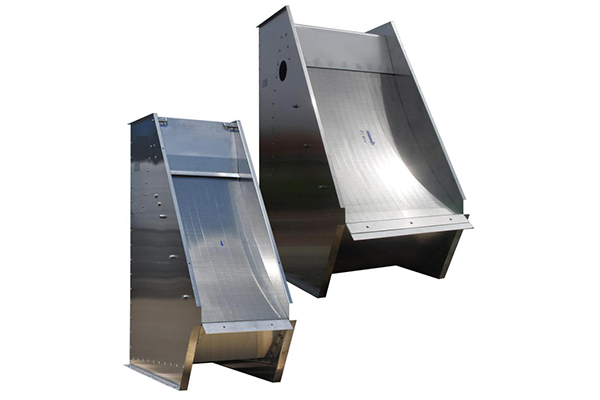
How Hydro Sieve Static Screens Work
Static screens directly influent a curved or sloped wedge wire surface, typically made of corrosion-resistant stainless steel. As the flow passes over the screen, solids are captured and retained on the screen surface, while the filtered liquid passes through the narrow V-shaped openings of the Vee wire screen.
This non-clogging design is especially suited for applications where reliability and low maintenance are critical, such as municipal wastewater screening, industrial sludge thickening, and primary sewage treatment.
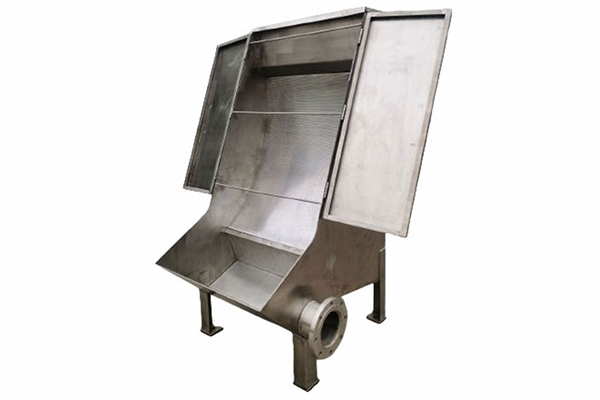
Key Benefits of Hydro Sieve, Static Screen Filters
• Energy-Free Operation: Since they rely solely on gravity, static screen wastewater filters reduce operational costs and energy consumption.
• High Flow Capacity: Their efficient design allows for handling large volumes with consistent separation.
• No Moving Parts: The absence of mechanical components minimizes breakdowns and maintenance needs.
• Compact Footprint: Perfect for facilities with limited space.
• Corrosion Resistance: Made from stainless steel, these screens resist wear even in harsh wastewater environments.
• Industrial wastewater screening for food processing, paper mills, and chemical plants
• Municipal sewage pretreatment as a mechanical bar screen alternative
• Effluent screening systems to protect downstream equipment
• Sludge dewatering before further treatment
• Solid removal in greywater or recycled water systems
Its versatility makes it an excellent replacement for more complex and maintenance-intensive screening solutions.
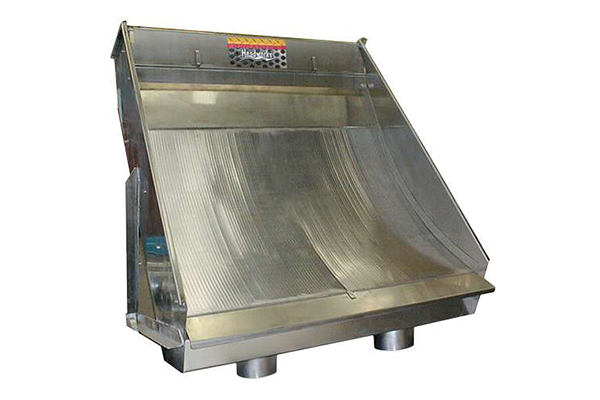
Choosing the Right Hydrosieve Static Screen for Your System
When selecting a static screen for solid-liquid separation, consider factors such as:
Type of solids and expected load
Flow rate and capacity requirements
Screen opening size (mesh or slot size)
Installation environment (indoor vs. outdoor)
Material of construction (usually 304 or 316L stainless steel)
Working with a supplier experienced in gravity screen filters and sidehill screens will ensure your equipment matches the specific needs of your treatment process.

 What Is a Coal Centrifuge Basket and How Does It Work?
 Engineering Principles Behind Vee Wire Scallops for Catalyst Support Systems
 Tower Internal Wedge Wire Pipe Maintenance and Reliability
 Catalyst Bed Support Grid Design for High Efficiency Reactor Flow
