Vessel internal lateral assembly is a structured arrangement of internal components within a vessel, often used in filtration, separation, and distribution processes.
The lateral assembly is designed to optimize the flow of fluids, gases, or particulates, ensuring uniform distribution and enhancing the vessel's overall efficiency.
Our lateral assemblies consist of wedge wires arranged in a lateral configuration. They are available in both header-lateral and hub-lateral assemblies.
Our wedge wire lateral assemblies can be installed on the vessel side, bottom, and top. Suitable for specialty vessels/systems, such as pressure vessels, reactors, and columns.
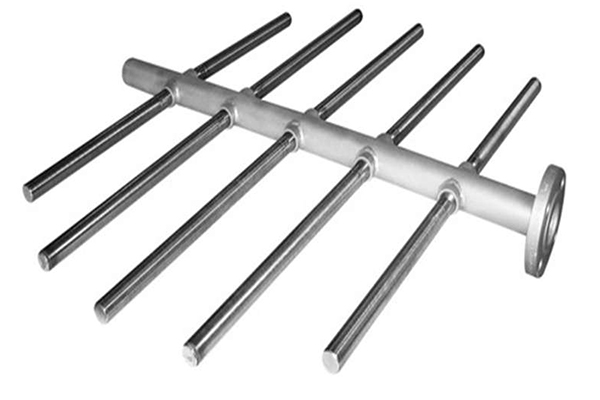
Vessel Internal Wedge Wire Lateral Assembly Include
Headers lateral assemblies
Hubs lateral assemblies
Spool lateral assembly
Intake lateral assembly
Pipe based laterals
Custom designs lateral laterals
Vessel Internal Lateral Assembly Features and Benefits
▪ Enhanced Flow Distribution: The wedge wire design ensures uniform flow distribution throughout the vessel, preventing channeling and bypassing, and optimizing process efficiency.
▪ Increased Heat Transfer: The large surface area of the wedge wires provides excellent heat transfer, making it ideal for applications requiring high heat transfer rates.
▪ Improved Structural Integrity: The robust design and construction of the lateral assembly ensure the vessel's structural integrity, reducing the risk of failure and downtime.
▪ Easy Maintenance and Inspection: The open design of the wedge wires allows for easy cleaning, inspection, and maintenance, reducing downtime and increasing overall efficiency.
▪ Corrosion Resistance: The lateral assembly is constructed from corrosion-resistant materials, ensuring a long lifespan and minimizing the risk of corrosion-related failures.
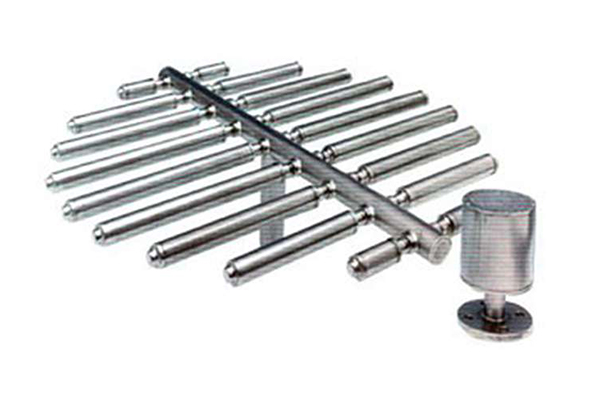
Other Wedge Wire Vessel Internals Supply
Get In Touch With Us If You Require Any Additional Information About Our Wedge Wire Vessel Internals
Contact us Now

 Engineering Principles Behind Vee Wire Scallops for Catalyst Support Systems
 Tower Internal Wedge Wire Pipe Maintenance and Reliability
 Catalyst Bed Support Grid Design for High Efficiency Reactor Flow
 Choosing the Right Vee Wire Scallops for High-Performance Radial Flow Internals
