Wedge wire screen plates are widely used in water treatment, mining, food processing, chemical filtration, and industrial separation systems because of their high strength, precise slot openings, and anti-clogging performance. However, improper selection, installation, or maintenance can significantly reduce their efficiency and service life.
Understanding the most common mistakes helps improve filtration performance, reduce downtime, and lower maintenance costs.
1. Choosing the Wrong Material
Material selection directly affects corrosion resistance and durability. Using unsuitable stainless steel in aggressive environments may lead to pitting, rust, or premature failure.
Common Problems
Using SS304 in seawater or chloride environments
Ignoring high-temperature conditions
Selecting low-grade materials for chemical applications
Recommended Solution
Choose materials based on operating conditions:
SS304 for general filtration
SS316L for corrosive environments
Duplex stainless steel for harsh chemical systems
2. Incorrect Slot Direction
Improper installation direction is a frequent issue.
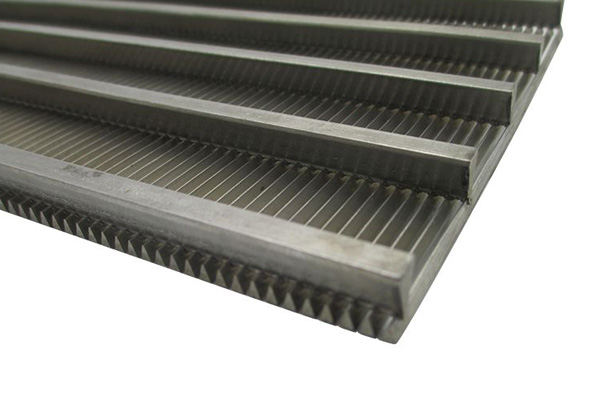
The smooth surface of the wedge wire should face the flow direction, while the wider slot opening should face outward. Incorrect positioning can increase clogging and reduce flow efficiency.
Results of Incorrect Installation Direction
Faster blinding
Reduced throughput
Increased pressure drop
 3. Lack of Regular Cleaning
Although wedge wire screens are designed to resist clogging, regular maintenance is still necessary.
Over time, solids, grease, or scale can block the slot openings and reduce filtration performance.
Recommended Cleaning Methods
Backwashing
High-pressure water cleaning
Ultrasonic cleaning
Proper chemical cleaning
Routine maintenance helps extend service life and maintain stable flow rates.
4. Ignoring Flow Rate and Pressure Drop
Incorrect screen sizing can create excessive pressure drop and poor filtration efficiency.
Common Design Mistakes
Choosing slot size only by particle size
Ignoring open area requirements
Underestimating solids loading
Proper hydraulic design improves throughput and reduces energy consumption.
5. Poor Installation and Support
Improper fastening or weak support structures may cause vibration, deformation, or screen failure.
Common Issues
Uneven fastening
Weak support rods
Excessive mechanical stress
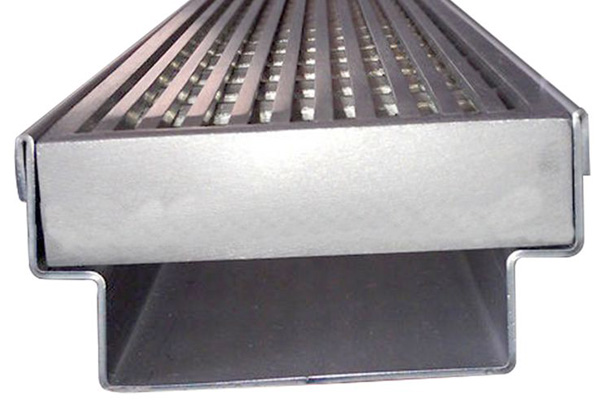
A properly supported wedge wire screen plate maintains stability and long-term performance.
 How to Extend Wedge Wire Screen Plate Service Life
To improve performance and durability:
Select the correct material
Install the screen in the proper direction
Clean the screen regularly
Monitor pressure drop
Use adequate support structures
Perform periodic inspections
Correct application and maintenance can significantly reduce downtime and replacement costs.
FAQ
1.Why do wedge wire screen plates clog?
Clogging is usually caused by improper slot direction, insufficient cleaning, or excessive solids buildup.
2.Which material is best for corrosive environments?
SS316L is commonly used for seawater and chemical filtration because of its superior corrosion resistance.
3.How often should wedge wire screens be cleaned?
Cleaning frequency depends on operating conditions and solids concentration. High-load systems may require more frequent maintenance.
4.What causes wedge wire screen deformation?
Common causes include excessive pressure, poor support structures, and incorrect installation.
5.Can wedge wire screen plates handle high temperatures?
Yes. With the correct alloy selection, wedge wire screens can perform well in high-temperature industrial applications.

 Engineering Principles Behind Vee Wire Scallops for Catalyst Support Systems
 Tower Internal Wedge Wire Pipe Maintenance and Reliability
 Catalyst Bed Support Grid Design for High Efficiency Reactor Flow
 Choosing the Right Vee Wire Scallops for High-Performance Radial Flow Internals
