Selecting the right wedge wire screen plate is critical to achieving efficient filtration, long service life, and stable system performance. Whether used in water treatment, food processing, mining, or chemical industries, the correct specification ensures optimal flow, minimal clogging, and reduced maintenance costs.
1. Define Your Filtration Requirements (Slot Size)
The starting point for any wedge wire screen selection is slot size, which directly determines filtration accuracy.
Match slot size to particle size
Choose a slot opening slightly smaller than the smallest particles you need to retain. Typical ranges vary from 0.02 mm to 10 mm+. Balance precision and flow rate
Smaller slots improve filtration precision but reduce flow capacity. Larger slots increase throughput but may allow finer particles to pass. Consider open area
A higher open area improves flow efficiency and reduces pressure drop, but may compromise structural strength. Leverage V-shaped wire design
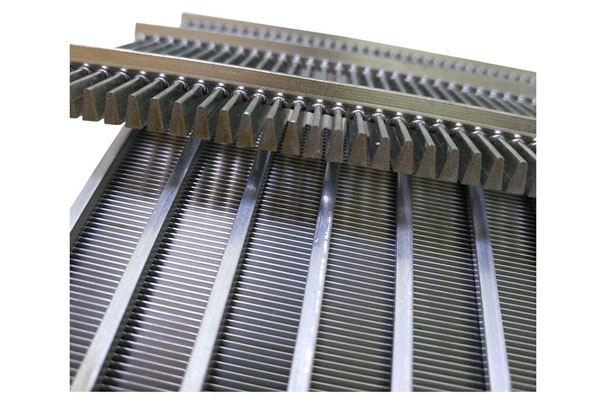
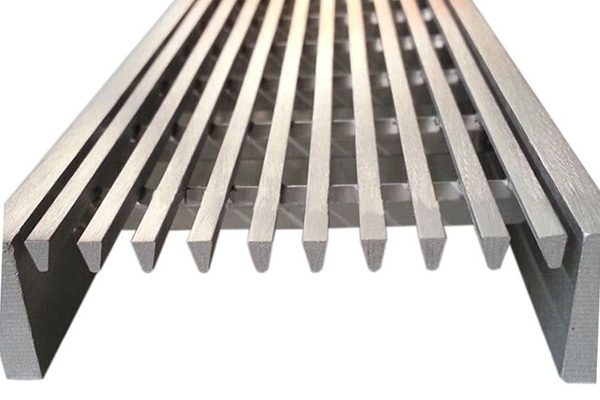
Wedge wire profiles create a widening slot structure that reduces clogging and allows particles to pass smoothly, making them more efficient than traditional perforated plates.
2. Select the Appropriate Material Grade
Material selection affects corrosion resistance, durability, and compliance with industry standards.
Stainless Steel 304L
Suitable for general industrial use and freshwater environments. Cost-effective with moderate corrosion resistance. Stainless Steel 316L
Widely used in food processing, pharmaceuticals, and chemical industries due to superior corrosion resistance. Stainless Steel 316Ti
Ideal for high-temperature applications (up to ~900°C) and aggressive chemical environments. Special Alloys (e.g., Titanium)
Recommended for highly corrosive or demanding conditions where weight and strength are critical. Choosing the correct material ensures long-term reliability and reduces the risk of premature failure.
3. Optimize Profile Wire and Support Rod Design
The structural design of the screen plate determines both performance and lifespan.
Profile Wire (Surface Layer)
Controls slot precision and filtration efficiency. The shape should promote smooth flow and resist wear. Support Rods (Structural Backbone)
Provide mechanical strength. Proper spacing and thickness prevent deformation under pressure. Welding Quality
Each intersection between profile wires and support rods must be precisely welded to ensure durability and consistent slot size.
4. Evaluate Operational Conditions
Understanding the working environment helps refine your selection.
Flow Direction
Determine whether filtration occurs from outside-to-inside or inside-to-outside, as this affects screen ori entation and performance. Pressure and Load
High-pressure systems require stronger support structures and thicker wires to prevent bending or failure. Abrasion
In industries like mining, abrasive materials demand more robust wire profiles to extend service life. Cleaning Requirements
Wedge wire screens are designed for easy cleaning, but applications with frequent maintenance cycles should prioritize accessible designs.
5. Verify Supplier Quality Standards
Consistent quality is essential for reliable performance. When evaluating suppliers, ensure they provide:
Precise slot tolerances for accurate filtration
High-quality welding at every contact point
Material certification for traceability and compliance
Inspection and testing reports to validate performance
Reliable manufacturing processes directly impact the effectiveness and longevity of the screen plate.
6. Practical Selection Strategy
To simplify decision-making, follow this structured approach:
1. Identify particle size and required filtration precision
2. Define flow rate and pressure conditions
3. Select material based on environment and industry standards
4. Choose wire profile and support structure for durability
5. Confirm supplier quality and certifications
This method ensures a balanced choice between performance, cost, and longevity.
A well-selected screen plate delivers consistent performance, lower operational costs, and extended service life—making it a critical component in any industrial filtration system.
FAQ: Common Questions Buyers Ask
1. How do I know if my slot size is too small or too large?
If your system experiences low flow rates or frequent clogging, the slot size may be too small. If unwanted particles pass through, it’s likely too large. Testing with sample material is often the most reliable method.
2. What is the typical lifespan of a wedge wire screen plate?
Lifespan depends on operating conditions, material, and maintenance. In moderate environments, stainless steel screens can last several years, while abrasive or corrosive conditions may shorten service life.
3. Is wedge wire always better than perforated plates?
Not always, but in most filtration applications, wedge wire offers better anti-clogging performance, higher flow rates, and easier cleaning. Perforated plates may still be suitable for lower-cost or less demanding uses.
4. Can wedge wire screens handle high-pressure systems?
Yes, if properly designed. The strength depends on support rod structure and wire thickness. Always specify pressure requirements during selection.
5. How often should wedge wire screens be cleaned?
Cleaning frequency depends on the application. Systems with high solids content may require frequent cleaning, while cleaner processes need minimal maintenance. The non-clogging design helps reduce cleaning intervals.

 Engineering Principles Behind Vee Wire Scallops for Catalyst Support Systems
 Tower Internal Wedge Wire Pipe Maintenance and Reliability
 Catalyst Bed Support Grid Design for High Efficiency Reactor Flow
 Choosing the Right Vee Wire Scallops for High-Performance Radial Flow Internals
