Mining and aggregate processing operations demand screening systems that can handle abrasive materials, high flow rates, and continuous production cycles. In these environments, equipment reliability directly affects productivity, maintenance costs, and material recovery efficiency.
Wedge wire panels have become a preferred screening solution for many mining and aggregate applications because of their durability, precise separation capability, and resistance to clogging. From coal preparation plants to sand washing systems, these panels support efficient material classification, dewatering, and slurry separation under demanding operating conditions.
What Are Wedge Wire Panels?
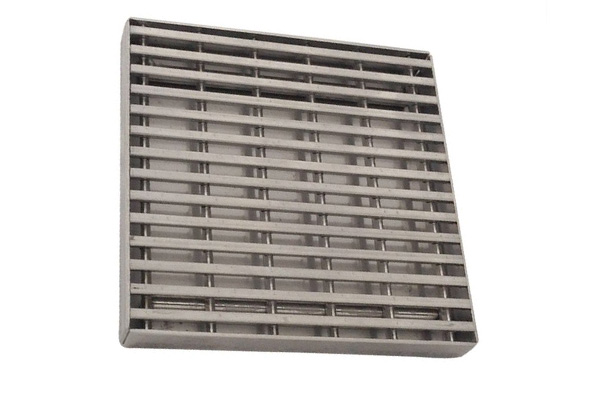
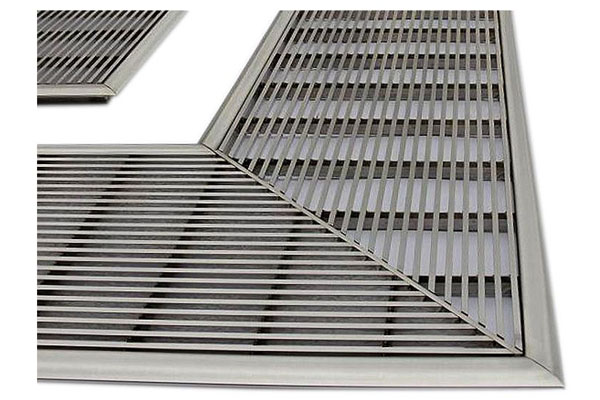
Wedge wire panels are filtration and screening components manufactured by welding V-shaped profile wires onto support rods. This structure creates continuous slot openings across the screening surface.
Unlike perforated plates or woven mesh, wedge wire panels use a slot design that widens inwardly. This geometry allows particles to pass through more efficiently while reducing the risk of material buildup and blockage.
The panels are commonly produced in stainless steel grades such as 304 and 316L, offering excellent corrosion resistance and long service life in wet and abrasive environments.
Why Wedge Wire Panels Are Widely Used in Mining
Mining processes often involve heavy loads, sharp particles, slurry handling, and constant vibration. Traditional screening materials may wear quickly or become clogged, leading to downtime and reduced efficiency.
Wedge wire panels address these challenges through several important design advantages.
High Wear Resistance
Mining and aggregate materials such as crushed stone, coal, silica sand, and ore concentrates can rapidly wear conventional screens. Wedge wire panels are designed to withstand continuous abrasion and impact.
The welded construction provides strong structural integrity, while stainless steel materials improve resistance to corrosion and mechanical wear. This makes the panels suitable for high-capacity operations with demanding working conditions.
Non-Clogging Performance
One of the most important benefits of wedge wire technology is its non-clogging design.
The V-shaped profile wire forms openings that become wider toward the inside of the panel. Fine particles are less likely to become trapped inside the slots, allowing water and material to flow more freely.
This feature helps maintain consistent screening efficiency while reducing maintenance interruptions and cleaning frequency.
Accurate Screening and Separation
Wedge wire panels can be manufactured with highly precise slot openings, typically ranging from 20 microns to 5,000 microns depending on the application.
This level of accuracy supports reliable particle size control in mineral classification, aggregate sizing, and slurry separation systems.
Consistent slot spacing also improves product quality by reducing uneven separation.
Long Operational Life
Because of their durable construction, wedge wire panels often provide longer service life than many conventional screening materials.
Reduced wear and lower clogging rates contribute to fewer replacements, lower labor requirements, and less production downtime over time.
Main Applications in Mining and Aggregate Processing
Dewatering Systems
Dewatering is essential in mining operations to reduce moisture content in coal, tailings, mineral concentrates, and washed aggregates.
Wedge wire panels allow water to drain efficiently while retaining solids. Lower moisture levels help reduce transportation costs, improve handling efficiency, and support downstream processing.
Common dewatering applications include:
Coal dewatering screens
Tailings management systems
Sand washing plants
Mineral concentrate recovery
Aggregate Screening
Aggregate production requires accurate sizing of gravel, crushed stone, and sand materials.
Wedge wire panels provide stable screening performance even under high vibration and heavy material loads. Their open-area design improves throughput while maintaining precise particle separation.
These panels are widely used in:
Quarry screening systems
Sand classification plants
Gravel sizing equipment
Recycled aggregate processing
Slurry Separation
Many mining processes involve slurry transport and solid-liquid separation.
Wedge wire panels help separate solids from liquids during ore washing, mineral processing, and chemical leaching operations. Their continuous slot openings support stable flow rates and minimize blockage caused by fine particles.
Carbon Retention in Precious Metal Recovery
Gold recovery systems such as Carbon-in-Pulp (CIP) and Carbon-in-Leach (CIL) processes rely on effective carbon retention.
Wedge wire screens are commonly used to retain activated carbon while allowing slurry to pass through. Accurate slot sizing helps reduce carbon loss and improves recovery efficiency.
Material Options for Different Mining Conditions
Selecting the correct material is important for maximizing screen performance and lifespan.
Stainless Steel 304
304 stainless steel is suitable for many standard mining and aggregate applications where moderate corrosion resistance is required.
Advantages include:
Good mechanical strength
Reliable corrosion resistance
Cost-effective performance
Stainless Steel 316L
316L stainless steel offers improved resistance to chlorides and corrosive chemicals.
It is commonly used in:
Chemical processing environments
Marine-related operations
Highly corrosive slurry systems
Polyurethane-Framed Panels
Some wedge wire panels are combined with polyurethane frames to simplify installation and reduce vibration impact.
This design can improve operational stability while making panel replacement faster and easier.
Factors to Consider When Selecting Wedge Wire Panels
Choosing the correct wedge wire panel depends on several operational factors.
Slot Size Requirements
The slot opening must match the target particle size and separation efficiency required by the process.
Smaller slots provide finer filtration, while larger openings support higher flow rates and coarse material screening.
Open Area Percentage
Higher open area generally improves flow capacity and reduces pressure drop. However, structural strength must also be considered for heavy-load applications.
Material Compatibility
Corrosion resistance and abrasion resistance should match the operating environment, slurry chemistry, and material hardness.
Panel Dimensions and Support Structure
Proper panel thickness, support rod spacing, and reinforcement design help maintain stability under heavy loads and vibration.
Maintenance Advantages in Industrial Operations
Reducing maintenance is a major priority for mining facilities because unplanned downtime directly affects production efficiency.
Wedge wire panels support lower maintenance requirements through:
Reduced clogging frequency
High structural durability
Easier cleaning
Longer replacement intervals
Consistent screening performance
These benefits can help operators improve operational efficiency and reduce total maintenance costs over the long term.
The Future of Wedge Wire Technology in Mining
As mining operations continue focusing on higher efficiency and lower operating costs, wedge wire technology is becoming increasingly important in modern processing systems.
Advanced manufacturing techniques now allow for tighter tolerances, customized slot configurations, and improved panel strength. These developments support better screening precision and longer equipment lifespan in demanding industrial environments.
With increasing attention on water recovery, tailings management, and sustainable resource processing, wedge wire panels are expected to remain a key component in mineral separation and aggregate processing systems.
FAQ: Wedge Wire Panels in Mining and Aggregate Processing
What slot size is best for mining applications?
The ideal slot size depends on the material being processed and the required separation accuracy. Fine mineral recovery may require micron-level slots, while aggregate screening often uses larger openings for higher throughput.
How do wedge wire panels reduce clogging?
The V-shaped wire profile creates openings that widen inwardly. This design prevents particles from becoming trapped inside the slots and allows continuous material flow.
Are wedge wire panels suitable for high-abrasion environments?
Yes. Wedge wire panels are specifically designed for abrasive industrial conditions. Stainless steel construction and welded support structures help resist wear and impact damage.
Can wedge wire panels be customized?
Yes. Manufacturers can customize slot size, panel dimensions, wire profiles, support rod spacing, and frame design based on operational requirements.
What industries besides mining use wedge wire panels?
In addition to mining and aggregates, wedge wire panels are widely used in water treatment, food processing, pulp and paper production, petrochemical filtration, and wastewater treatment systems.
How long do wedge wire panels typically last?
Service life depends on operating conditions, material abrasiveness, and maintenance practices. In many industrial applications, wedge wire panels provide longer operational life than woven mesh or perforated plate screens.
What is the difference between wedge wire panels and woven wire mesh?
Wedge wire panels provide higher structural strength, more accurate slot openings, and better resistance to clogging. Woven wire mesh is often less durable in high-abrasion mining environments.
Can wedge wire panels improve water recovery efficiency?
Yes. Their high open-area design supports efficient drainage and liquid separation, making them highly effective in dewatering and water recovery systems.

 Engineering Principles Behind Vee Wire Scallops for Catalyst Support Systems
 Tower Internal Wedge Wire Pipe Maintenance and Reliability
 Catalyst Bed Support Grid Design for High Efficiency Reactor Flow
 Choosing the Right Vee Wire Scallops for High-Performance Radial Flow Internals
