Efficient solid-liquid separation is essential in industries such as mining, wastewater treatment, food processing, pulp and paper, and chemical manufacturing. Poor separation performance can lead to equipment blockage, higher maintenance costs, reduced product quality, and lower operational efficiency.
Among the many filtration technologies available today, wedge wire panels have become a preferred solution for demanding industrial environments because of their durability, high open area, and reliable non-clogging performance.
What Are Wedge Wire Panels?
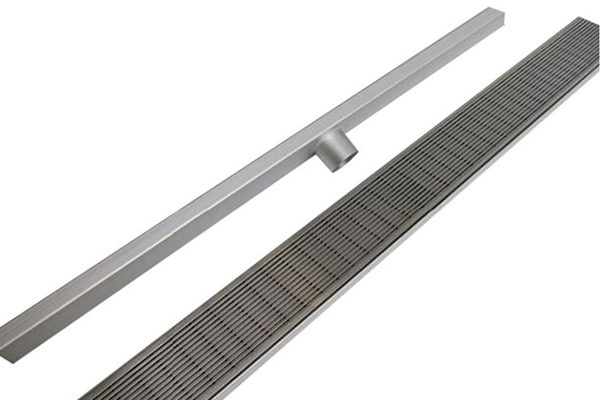
Wedge wire panels are filtration and screening components manufactured by welding V-shaped profile wires onto support rods. The wires are precisely spaced to create continuous slot openings that allow liquids to pass while retaining solids of a defined particle size.
Unlike perforated plates or woven wire mesh, wedge wire panels feature a smooth surface and a widening slot structure beneath the opening. This unique geometry improves flow efficiency and minimizes clogging during operation.
Because of their strong welded construction and precise slot control, wedge wire panels are widely used in industrial filtration systems that require continuous operation and reliable performance.
How Wedge Wire Panels Improve Separation Efficiency
1. Non-Clogging Slot Design
One of the most important advantages of wedge wire panels is their self-cleaning slot structure.
The V-shaped profile wire creates a slot opening that is narrow at the surface and gradually widens inward. This means particles are less likely to become trapped inside the opening. If a particle can enter the slot, it can usually pass through completely.
This design significantly reduces screen blockage compared with traditional perforated screens or mesh filters.
Benefits of the non-clogging design:
Reduced downtime for cleaning
Lower maintenance frequency
More stable flow performance
Improved screening consistency
Longer operational cycles
In industries handling fibrous materials, sludge, slurry, or sticky solids, this feature is especially valuable.
2. Higher Open Area for Increased Flow Capacity
Wedge wire panels provide a larger open area than many conventional screening materials with the same slot size.
A higher open area allows more liquid to pass through the screen surface with lower resistance. As a result, systems can maintain high throughput without sacrificing filtration accuracy.
Advantages of higher open area:
Increased processing capacity
Lower pressure drop
Improved hydraulic efficiency
Reduced energy consumption
Better overall system productivity
This is particularly important in applications such as vibrating screens, static screens, and dewatering systems where continuous high-volume flow is required.
3. Accurate and Consistent Particle Separation
Precision manufacturing allows wedge wire panels to maintain highly accurate slot openings across the entire screen surface.
Consistent slot spacing improves separation reliability by ensuring that particles larger than the target size are effectively retained while smaller particles and liquids pass through efficiently.
Accurate separation helps achieve:
Better product quality
Improved recovery rates
Reduced contamination
More predictable process performance
Industries such as food processing, beverage filtration, and mineral classification often depend on precise separation to maintain product standards and process stability.
4. Superior Mechanical Strength and Durability
Wedge wire panels are manufactured through resistance welding or fusion welding processes that permanently attach profile wires to support rods.
This structure creates a rigid, durable panel capable of handling demanding operating conditions, including:
Heavy loads
Abrasive materials
High vibration
Corrosive environments
High-pressure filtration systems
Compared with woven mesh screens, wedge wire panels are less likely to deform, break, or wear prematurely.
Common materials include:
Stainless steel 304
Stainless steel 316L
Duplex stainless steel
Special alloy materials
Material selection depends on the operating environment, temperature, chemical exposure, and abrasion level.
5. Improved Dewatering Performance
Dewatering efficiency is critical in mining, aggregate processing, sludge treatment, and industrial wastewater management.
The continuous slot structure of wedge wire panels allows water to drain rapidly while retaining solids effectively. Combined with the high open area, this enables faster moisture removal and improved solids handling.
Improved dewatering provides:
Reduced material moisture content
Lower transportation costs
Easier downstream processing
Higher production efficiency
In many mining and mineral processing applications, efficient dewatering can significantly reduce operating costs.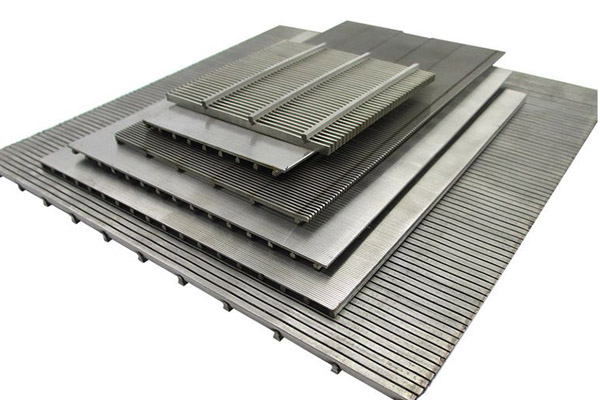
Common Industrial Applications
Wedge wire panels are used in a wide range of separation and filtration systems.
Mining and Mineral Processing
Applications include:
Vibrating screen panels
Dewatering screens
Coal washing systems
Centrifuge baskets
Aggregate processing equipment
The high wear resistance and non-clogging structure make wedge wire ideal for abrasive mineral slurries.
Wastewater Treatment
In municipal and industrial wastewater systems, wedge wire panels are used for:
Fine screening
Sludge dewatering
Static screens
Water intake systems
Primary treatment filtration
Their corrosion resistance and easy-cleaning design help reduce maintenance requirements.
Food and Beverage Processing
Food-grade stainless steel wedge wire panels are commonly used in:
Sugar processing
Brewery filtration
Juice filtration
Starch processing
Vegetable washing systems
The smooth surface design also supports hygienic operation and easier cleaning.
Factors to Consider When Choosing Wedge Wire Panels
Selecting the correct wedge wire panel depends on several operational factors.
Important considerations include:
Slot opening size
Material grade
Flow rate requirements
Abrasion level
Corrosion exposure
Panel dimensions
Load conditions
Cleaning method
Working with an experienced manufacturer helps ensure the panel design matches the specific separation application.
Why Industrial Systems Continue to Adopt Wedge Wire Technology
As industrial filtration systems become more demanding, operators increasingly require solutions that combine efficiency, durability, and reduced maintenance.
Wedge wire panels address these needs by providing:
Stable long-term performance
Lower operating costs
Improved process efficiency
Better filtration accuracy
Reduced downtime
Their versatility also allows customization for a wide variety of industries and operating conditions.
FAQ: Wedge Wire Panels and Solid-Liquid Separation
What slot size is best for wedge wire panels?
The ideal slot size depends on the particle size and filtration target of the application. Common slot openings range from 0.1 mm to several millimeters. Smaller slots provide finer filtration, while larger slots support higher flow rates.
Are wedge wire panels suitable for abrasive materials?
Yes. Wedge wire panels are widely used in mining and aggregate industries because of their strong welded construction and excellent wear resistance. Material selection can further improve abrasion performance.
How long do wedge wire panels typically last?
Service life varies depending on operating conditions, material type, and maintenance practices. In many industrial applications, wedge wire panels last significantly longer than woven wire mesh or perforated screens.
Can wedge wire panels handle high-pressure applications?
Yes. Their rigid welded structure provides excellent mechanical strength, making them suitable for high-pressure filtration systems and heavy-duty industrial operations.
What industries benefit most from wedge wire filtration?
Industries that frequently use wedge wire panels include:
Mining and mineral processing
Wastewater treatment
Food and beverage production
Pulp and paper
Chemical processing
Petrochemical industries
Are wedge wire panels easy to clean?
Yes. The smooth surface and non-clogging slot structure help reduce particle buildup. Many systems can also use backwashing or automatic cleaning methods to simplify maintenance
What materials are commonly used for wedge wire panels?
The most common materials are stainless steel 304 and 316L. Duplex stainless steel and special alloy materials are also available for highly corrosive or abrasive environments.
Can wedge wire panels be custom manufactured?
Yes. Wedge wire panels can be customized in terms of:
Slot size
Panel dimensions
Support rod structure
Surface profile
Material grade
Frame design
Custom manufacturing allows the panels to match specific process requirements and equipment designs.

 Engineering Principles Behind Vee Wire Scallops for Catalyst Support Systems
 Tower Internal Wedge Wire Pipe Maintenance and Reliability
 Catalyst Bed Support Grid Design for High Efficiency Reactor Flow
 Choosing the Right Vee Wire Scallops for High-Performance Radial Flow Internals
