Filter Nozzles for Pressure Sand Filters: Complete Guide
Filter nozzles are essential components in pressure sand filtration systems, directly influencing filtration efficiency, media retention, and backwash performance. In industrial and municipal applications, stainless steel (SS) filter nozzles are widely preferred due to their strength, corrosion resistance, and long service life.
What Are Filter Nozzles?
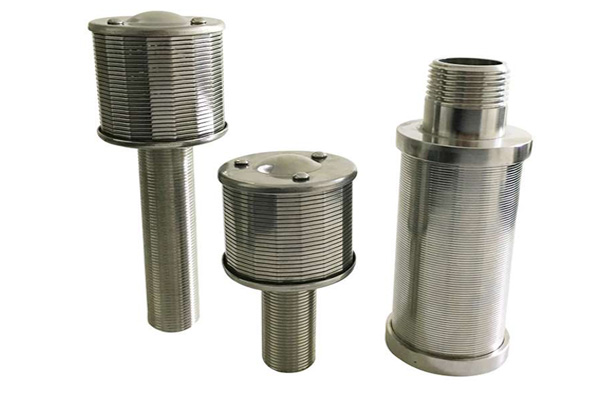
Filter nozzles are precision-engineered components installed on the underdrain system of pressure sand filters. Their primary function is to:
Retain filter media (such as sand, activated carbon, or resin)
Allow filtered water to pass through
Distribute air and water evenly during backwashing
They act as the interface between the filter bed and the collection system, making their design critical to overall system performance.
Why Stainless Steel Filter Nozzles Are Preferred
Key Benefits
1. High Mechanical Strength
Stainless steel nozzles withstand repeated high-pressure backwash cycles without deformation or failure.
2. Excellent Corrosion Resistance
SS316L, in particular, performs well in environments with high salinity, chemicals, or industrial wastewater.
3. Temperature Resistance
Unlike plastic alternatives, stainless steel can operate reliably in elevated temperature conditions often found in industrial processes.
4. Long Service Life
Reduced aging and degradation lead to lower replacement frequency and maintenance costs.
Wedge Wire Technology Explained
The V-shaped profile creates narrow slot openings (typically 0.2 mm to 0.5 mm)
Slots widen inward, preventing particles from getting stuck
Solids are retained on the outer surface, while water flows through
Advantages
Non-clogging design
Precise filtration control
Lower pressure drop
Improved backwash efficiency
This structure is especially beneficial in continuous or high-load filtration systems.
Applications in Pressure Sand Filters
Stainless steel filter nozzles are used across multiple filtration scenarios:
1. Liquid–Solid Separation
They retain suspended solids while allowing clean water to pass, ensuring consistent effluent quality.
2. Water Distribution
Even flow distribution prevents channeling and maximizes the effective use of the filter bed.
3. Backwash Systems
Uniform air/water distribution during backwashing ensures proper cleaning and media reclassification.
4. Ion Exchange Systems
Commonly used in softening and demineralization units to retain resin beads and maintain system efficiency.
Key Selection Criteria
Choosing the right filter nozzle requires careful evaluation of system parameters.
1. Slot Size
Recommended: 50–70% of the effective media size
Prevents media loss while maintaining flow efficiency
2. Pressure Rating
Must match or exceed the system’s maximum operating pressure
High-pressure systems may require reinforced internal structures
3. Material Selection
SS304: General water treatment
SS316L: Corrosive or high-chloride environments
4. Installation Method
Screw-in type: simple and widely used
Through-plate mounting: more secure, uses nuts and gaskets
Advantages Over Plastic Nozzles
While plastic nozzles are still used in some systems, stainless steel offers clear long-term advantages:
Lower pressure loss across the filter bed
Greater resistance to aging and mechanical stress
Better performance in high-temperature applications
Reduced risk of cracking or deformation
These benefits make stainless steel a preferred choice for critical or high-load systems.
Best Practices for Operation and Maintenance
To maximize performance and lifespan:
Inspect nozzles periodically for wear or blockage
Ensure proper backwash flow rates
Avoid chemical conditions beyond material limits
Replace damaged nozzles promptly to prevent system imbalance
Filter nozzles are small components with a large impact. In pressure sand filters, selecting the right stainless steel nozzle improves filtration quality, reduces operational risks, and extends system life.
FAQ: Practical Questions from Users
1. Can filter nozzles affect energy consumption in a filtration system?
Yes. Poorly designed or clogged nozzles increase pressure drop, which can lead to higher pumping energy requirements over time.
2. Is it possible to retrofit stainless steel nozzles into an existing plastic system?
In many cases, yes. However, thread compatibility, load-bearing capacity, and underdrain plate strength should be verified before replacement.
3. What causes uneven backwash distribution even when nozzles are installed correctly?
This may result from improper nozzle spacing, incorrect pump sizing, or air-water imbalance rather than nozzle failure itself.
4. Are custom-designed nozzles necessary for all systems?
Not always. Standard designs work for most applications, but custom configurations are beneficial for unusual tank geometries or extreme operating conditions.
5. How do I determine the correct number of nozzles for a filter tank?
The number depends on tank diameter, flow rate, and required distribution uniformity. Engineering calculations or manufacturer recommendations are typically used.


 What Is a Coal Centrifuge Basket and How Does It Work?
 Engineering Principles Behind Vee Wire Scallops for Catalyst Support Systems
 Tower Internal Wedge Wire Pipe Maintenance and Reliability
 Catalyst Bed Support Grid Design for High Efficiency Reactor Flow
